Forklift and hi-lo guides for Michigan renters
Picking the wrong machine is the most common way a rental goes sideways. A truck that is perfect on a polished warehouse floor can be useless on a frozen gravel yard, and a machine that fits your aisles may not reach your top beam. These guides explain each type in plain terms and list the questions worth asking before you book.
How OSHA groups forklifts
OSHA's powered industrial truck eTool sorts common machines into seven classes. Classes I to III are electric: rider trucks, narrow aisle trucks, and hand or hand/rider trucks. Classes IV and V are internal combustion trucks on cushion tires and pneumatic tires. Class VI covers tractors, and Class VII covers rough terrain forklifts, including machines with a telescoping boom.
Rental companies often list machines by these classes or by fuel, so knowing the vocabulary makes quotes easier to compare.
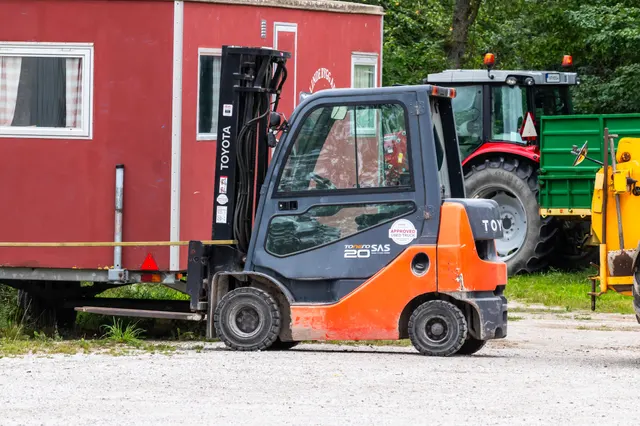 Sit-down counterbalanceThe everyday dock and warehouse forklift.
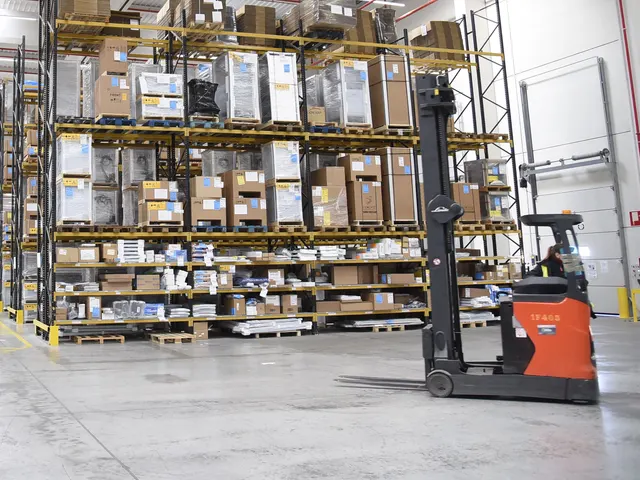 Reach truckFor narrow aisles and high racking.
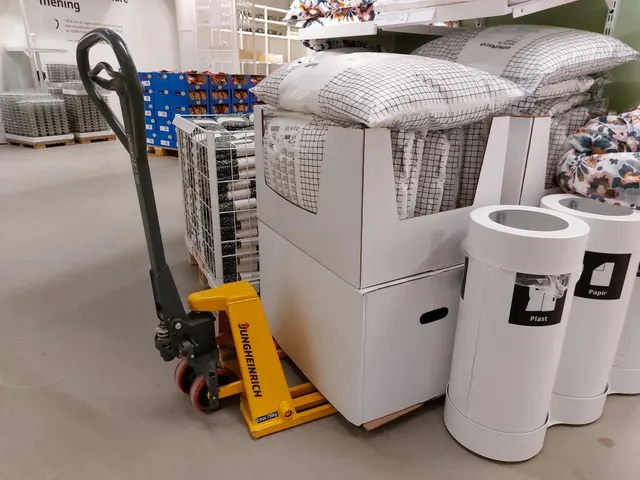 Pallet jacksShort moves on smooth floors.
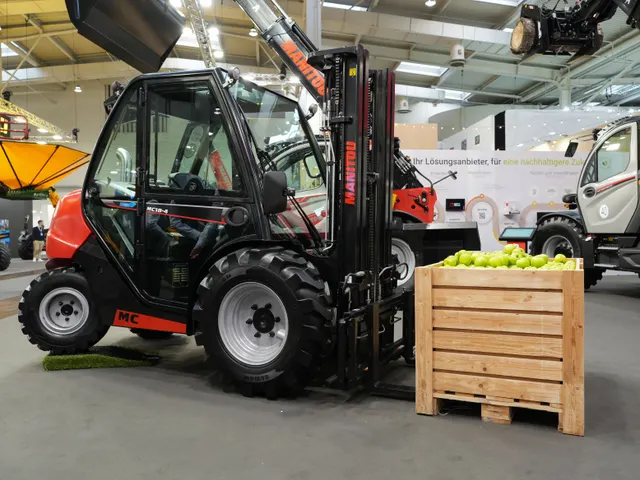 Rough terrainBuilt for job sites, gravel, and mud.
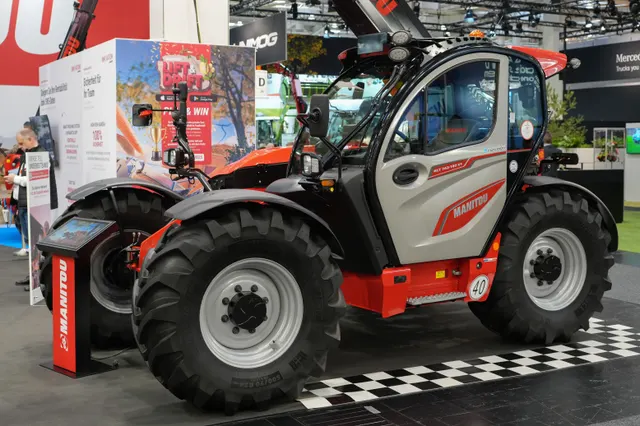 TelehandlerReach out and up with a telescoping boom.
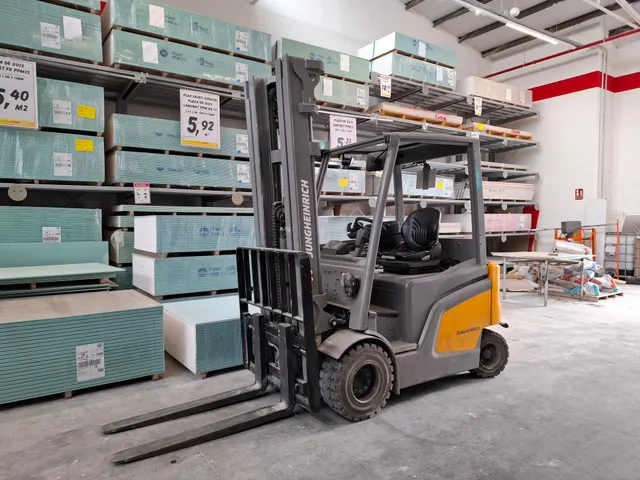 Fuel typesHow fuel choice affects indoor work.
- Operator trainingPermits, testing, and refresher rules.
- Rental lengthDay, week, month, or longer.
- DeliveryAccess, timing, and inspection at drop-off.
- InsuranceCoverage and damage terms to clarify.
Sources
- Powered Industrial Trucks (Forklifts): Overview · OSHA
- 29 CFR 1910.178, Powered industrial trucks · OSHA
Last reviewed: