Sit-down counterbalance hi-lo rental in Michigan
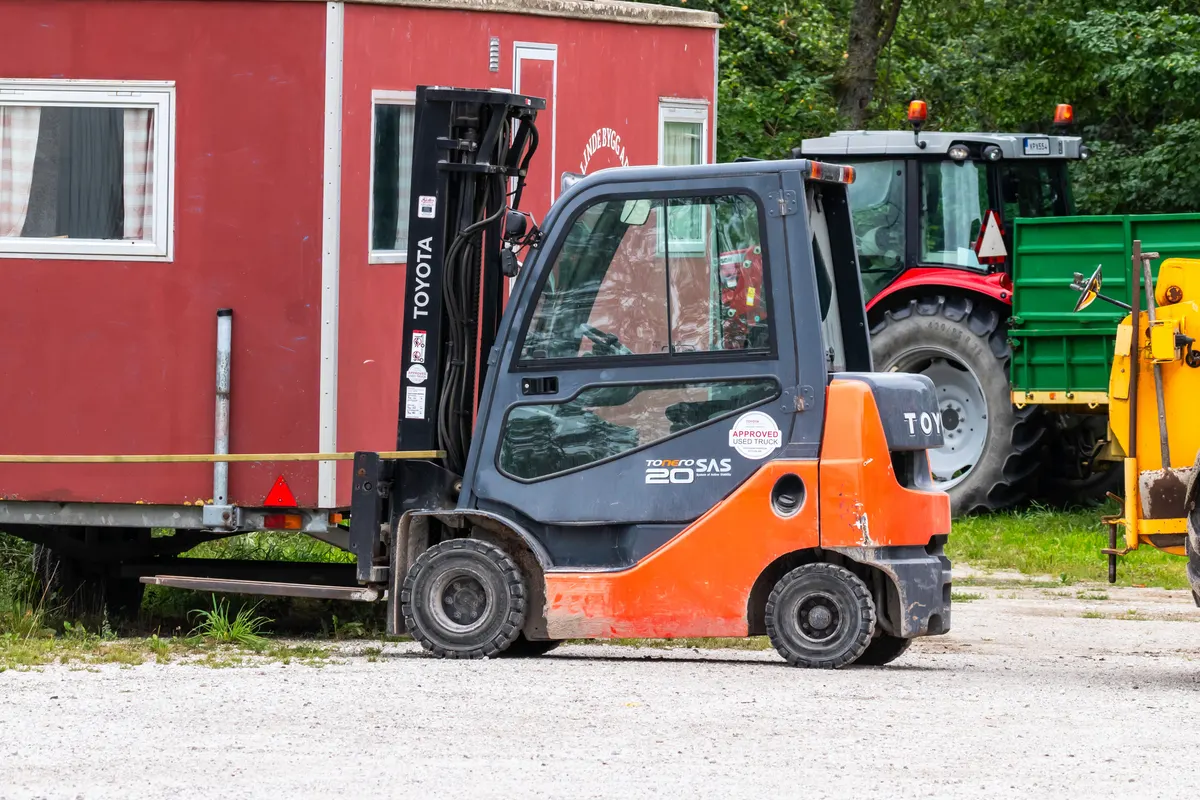
The sit-down counterbalance truck is the machine most people picture when they say hi-lo. The operator sits facing forward, the forks sit out front, and a heavy rear end balances the load. It is the general purpose choice for loading trailers, moving pallets around a building, and working a yard.

Get a quote
Where it fits
Counterbalance trucks need room to turn, so they suit docks, open warehouse floors, and outdoor yards more than tight racking aisles. In OSHA's classification, electric sit-down riders are Class I, and engine-powered models are Class IV on cushion tires or Class V on pneumatic tires.
Because OSHA's classes separate engine trucks on cushion tires from those on pneumatic tires, tire type is one of the first things we will ask about. Tell us every surface the truck will cross, including parking lots, ramps, and gravel, and whether it will go in and out of the building in winter.
Details to have ready
OSHA's rule says trucks fitted with non-factory front-end attachments should be marked to show the attachment and the approximate combined weight at maximum elevation, so ask us to confirm the data plate matches the setup that is delivered.
- The heaviest load you will lift and how far its center sits from the fork face
- The highest point you need to reach, measured to the top of the load, not the shelf
- Door and ceiling heights the mast has to clear when lowered
- Indoor, outdoor, or both, and whether the floor is level
- Whether you need attachments such as a side shifter or fork extensions
Michigan rules that touch the rental
Under MIOSHA Part 21, an employer must train, test, and issue a written permit before an employee operates a powered industrial truck. The permit lists the type of truck the operator is qualified on and is valid for no more than three years, and only with the employer that issued it. The rental does not come with that permit. Read the operator training guide before the machine arrives.
Part 21 also says an employer must not let a truck be used if, for example, the service or parking brakes do not work or the fuel system leaks. Check the truck when it is delivered and report problems right away.
Makes you will see in Michigan
Several large Michigan dealers rent sit-down trucks under a handful of makes. Bell Forklift, a Toyota dealer with branches in Clinton Township, Detroit, Novi, Birch Run, and Gaylord, carries Toyota. Alta Equipment carries Hyster and Yale and has Michigan branches that include Livonia, Lansing, Kentwood, Saginaw, and Traverse City. Crown runs its own branch in Kentwood and rents its own trucks.
In Crown's rental inventory, the FC 5700 Series is a four-wheel electric sit-down truck rated up to 6,500 lb, and the C-5 1000 Series is an LP gas cushion tire truck rated up to 6,500 lb. If your operators prefer a make, tell us when you send the request.
Equipment
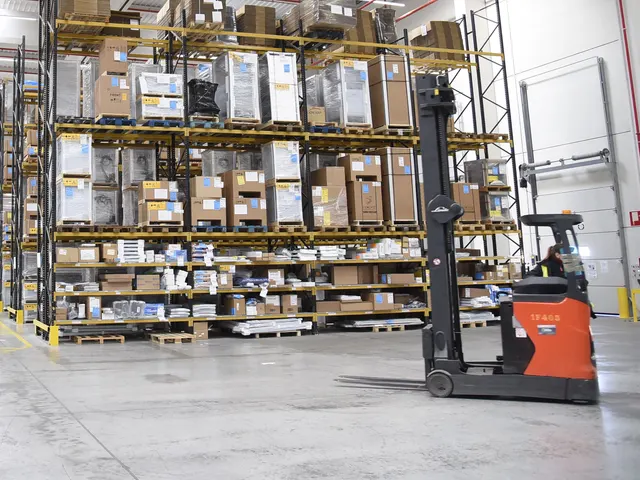 Reach truckFor narrow aisles and high racking.
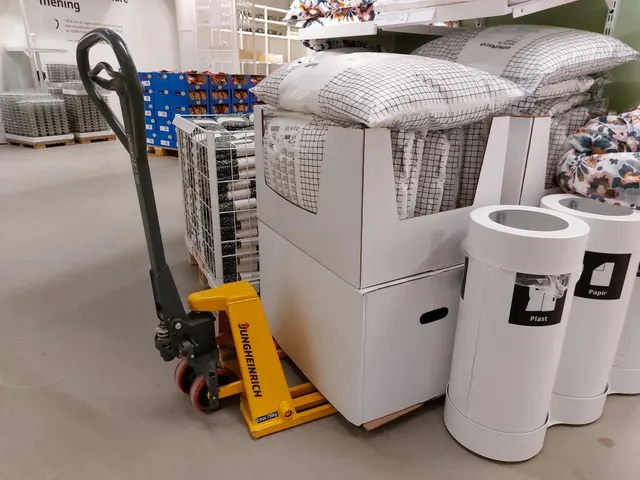 Pallet jacksShort moves on smooth floors.
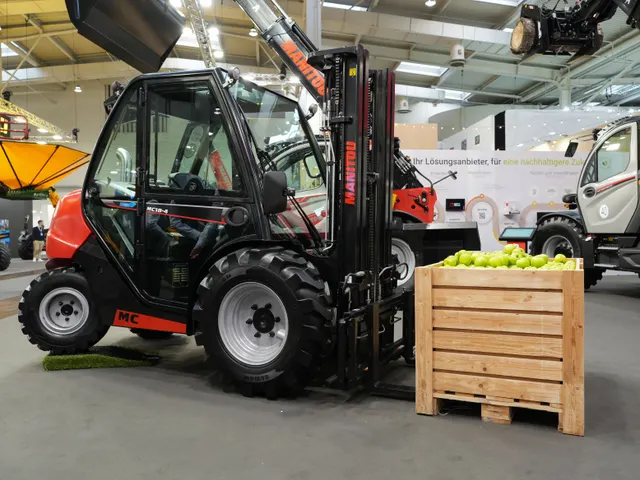 Rough terrainBuilt for job sites, gravel, and mud.
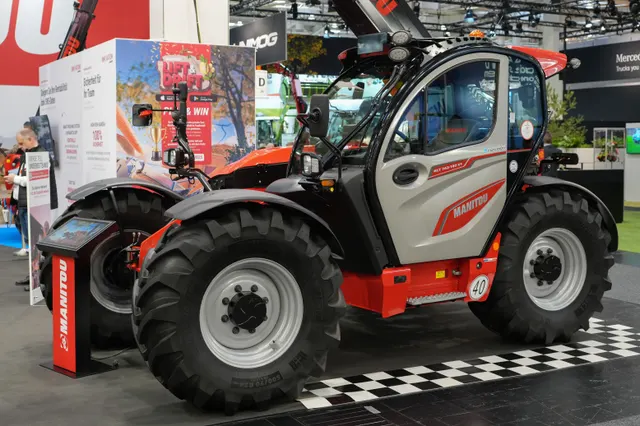 TelehandlerReach out and up with a telescoping boom.
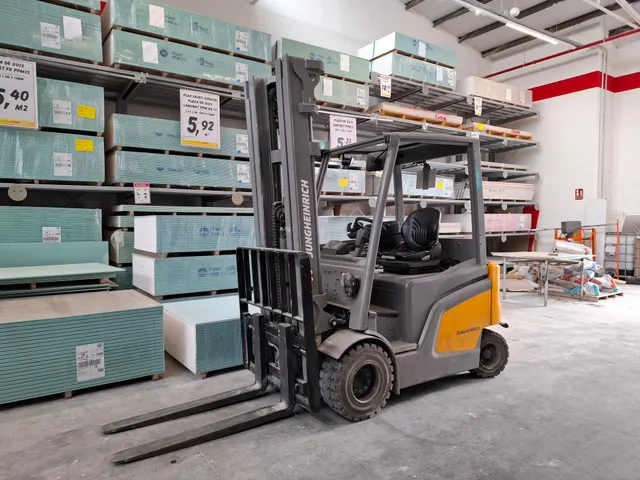 Fuel typesHow fuel choice affects indoor work.
- Operator trainingPermits, testing, and refresher rules.
- Rental lengthDay, week, month, or longer.
- DeliveryAccess, timing, and inspection at drop-off.
- InsuranceCoverage and damage terms to clarify.
Frequently asked questions
Cushion or pneumatic tires for a Michigan warehouse?
Describe the floors and outdoor surfaces the truck will cross and ask us which tire type fits that route. OSHA classifies engine trucks on cushion tires and on pneumatic tires separately.
Can my operators use a permit from their last employer?
No. Under MIOSHA Part 21 a permit is valid only with the employer that issued it. Part 21 does allow an employee with a valid permit from another employer to be tested without repeating the full training.
Sources
- Powered Industrial Trucks (Forklifts): Overview · OSHA
- 29 CFR 1910.178, Powered industrial trucks · OSHA
- MIOSHA General Industry Safety Standard Part 21, Powered Industrial Trucks (R 408.12101 to R 408.12193) · State of Michigan (LARA, Administrative Code)
- Michigan State Plan · OSHA
- Bell Forklift, Toyota forklift dealer (Clinton Township, Detroit, Novi, Birch Run, Gaylord) · Bell Forklift
- Yale forklift dealers in Michigan (Alta Equipment Company locations and brands) · AllMachines
- Crown Lift Trucks, Grand Rapids (Kentwood, Michigan) · Crown Equipment Corporation
- Forklift rental inventory · Crown Equipment Corporation
Last reviewed: